Family-run • Southampton & HampshireA personal approach. From the first idea to the finishing touch.07368 230191
GB Home & Garden Services

Landscaping in New Forest.

A property-led garden improvement that starts with existing features and known constraints.

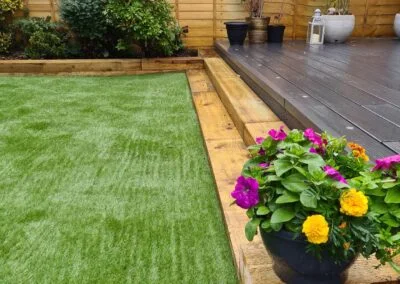
Fresh lawn edged by timber and flower planting

Let the site set the starting point

For a landscaping enquiry in the New Forest, give the exact postcode and describe the property rather than relying on a broad area label. Access, retained trees, existing structures and the work you propose are the useful details.

GB can discuss how a garden layout might improve movement and usable space while recognising what you want to preserve. Any known property-specific restrictions belong in the opening conversation.

Separate design preferences from permissions

A preferred terrace, path or garden building is an idea to assess, not evidence that the work is permitted. Share any relevant advice or approvals you already hold and identify where further checking may be required.

Explain the route for materials and any surfaces or planting that must be protected. This keeps the proposed scope grounded in the actual setting before construction methods, finishes and the order of work are agreed.

Choose a layout that works with retained features

Existing trees, planted areas and structures may be central to the garden’s character. Paths and sitting spaces can be organised around them, but the construction implications need assessment. A retained feature should influence access and preparation decisions as well as the appearance of the finished layout.

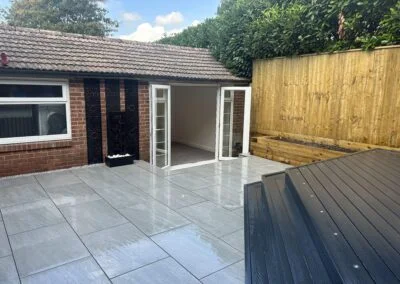
Patio and decking beside an outdoor room

Distinguish surface choices from site requirements

Stone, manufactured paving and lawn offer different visual and maintenance characteristics. None establishes what ground work is suitable around the property’s existing features. Relevant advice and any necessary specialist assessment should inform the proposal before excavation or changes to levels are agreed.

Allow for protection and careful access

Working around retained elements may affect handling and sequence. Compare that complete scope with alternatives rather than judging only the material area. The finished design should also leave routes for ongoing care. A garden is easier to manage when maintenance access has been planned alongside the attractive views.

Your project, in detail

Identify the site constraints before commissioning a layout

A New Forest landscaping brief should identify the exact property and any information you already hold about trees, designation or previous permissions. The district and National Park planning arrangements are not interchangeable. Establish the relevant authority for the address before assuming that advice for another nearby garden applies. This is particularly relevant when the proposal includes structures or work near protected features.

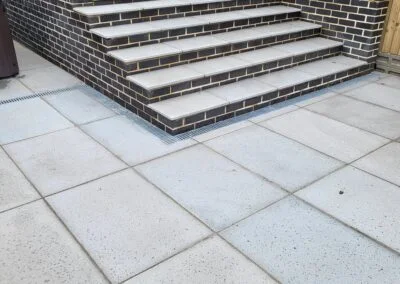
Wide paved steps between garden levels

Within those constraints, the useful design questions remain practical: where people walk, what must stay, how much planting you can maintain and how construction reaches the site. Keep the proposed boundary of work clear on a sketch.

Where tree protection, structural advice or another specialist input is required, obtain it before specifying excavation or committing to a finished level. A garden scheme should respond to verified site information.

Landscaping · New Forest FAQs

Your questions.
Practical answers.

Ask about your project ↗
Does a New Forest postcode tell you everything needed to quote?

No. The precise site, access and proposed work matter more than the broad location. Photographs and a description help establish the enquiry, but an assessment and any necessary specialist or permission checks must inform the eventual proposal.

Can a garden makeover retain most of the existing planting?

That can be a valid starting point. Identify the areas to preserve and assess how construction would reach the new work. The extent of retention depends on the design, condition and any advice needed around sensitive features.

Does choosing a natural-looking material remove the need for checks?

No. A natural-looking finish describes appearance, not the permissions, tree considerations or construction requirements for the actual site. Establish any applicable restrictions with the appropriate authority or adviser, using the property address and proposed work. Identify retained planting and relevant documents early. Material selection should follow those requirements rather than being used as evidence that a discreet-looking scheme needs no further checks.

Can existing trees be retained while the surrounding garden changes?

Often retention is the starting point, but the proposed work and construction access need to be assessed in relation to the trees. Do not assume that avoiding the trunk is enough to avoid affecting roots. Identify the trees and any protection information, then establish what advice and permissions are necessary. The eventual layout, material storage and working method should reflect that advice rather than treating it as a late addition.

Let’s get started

Discuss landscaping in New Forest

Contact Gregg about a property-led garden improvement that starts with existing features and known constraints.

Call 07368 230191Get a free quote ↗